


Imagine the Future of Housing in Clayton County
Share your ideas with us during the 2026 housing study. Complete the survey, attend an event, or email the team directly. Your feedback will help us assess current housing conditions, barriers to access, and housing needs within Clayton County. Your input will help ensure that Clayton County’s housing goals are grounded in the voice of the community.

What we are Working On
We want to know what you need in a home, and what kinds of homes you'd like to see in your community. Your feedback from the survey and attendance at community events will provide qualitative inputs to our countywide and community-specific assessments of housing conditions and needs. Additionally, your participation helps the research team formulate a strategy for the future of Clayton County that leverages existing assets to ensure that Clayton County is a great place to live for generations to come.
In addition to community input, we are also looking at local economic, demographic, and housing market data. Our data analysis process will examine data points that include local employment, wages, household incomes, household size, rental rates, and home purchase prices to identify the ways that housing in Clayton County intersects with community development, economic development, and transportation planning at the city, county, and regional levels. We will share that information as part of the report, at local discussion events, and on this website.
If you are able, consider attending one of our discussion events in addition to completing the survey!

Portraits of Clayton
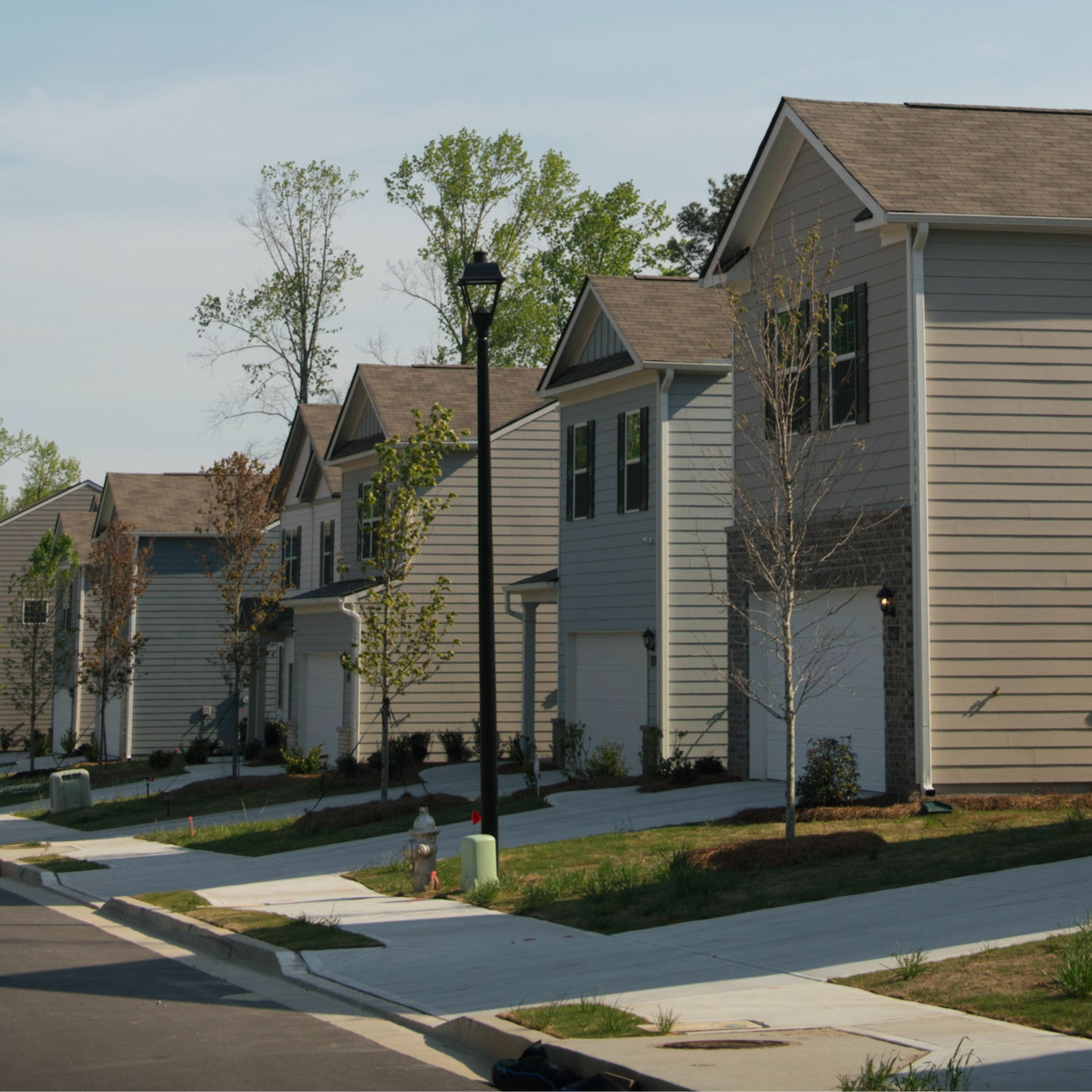
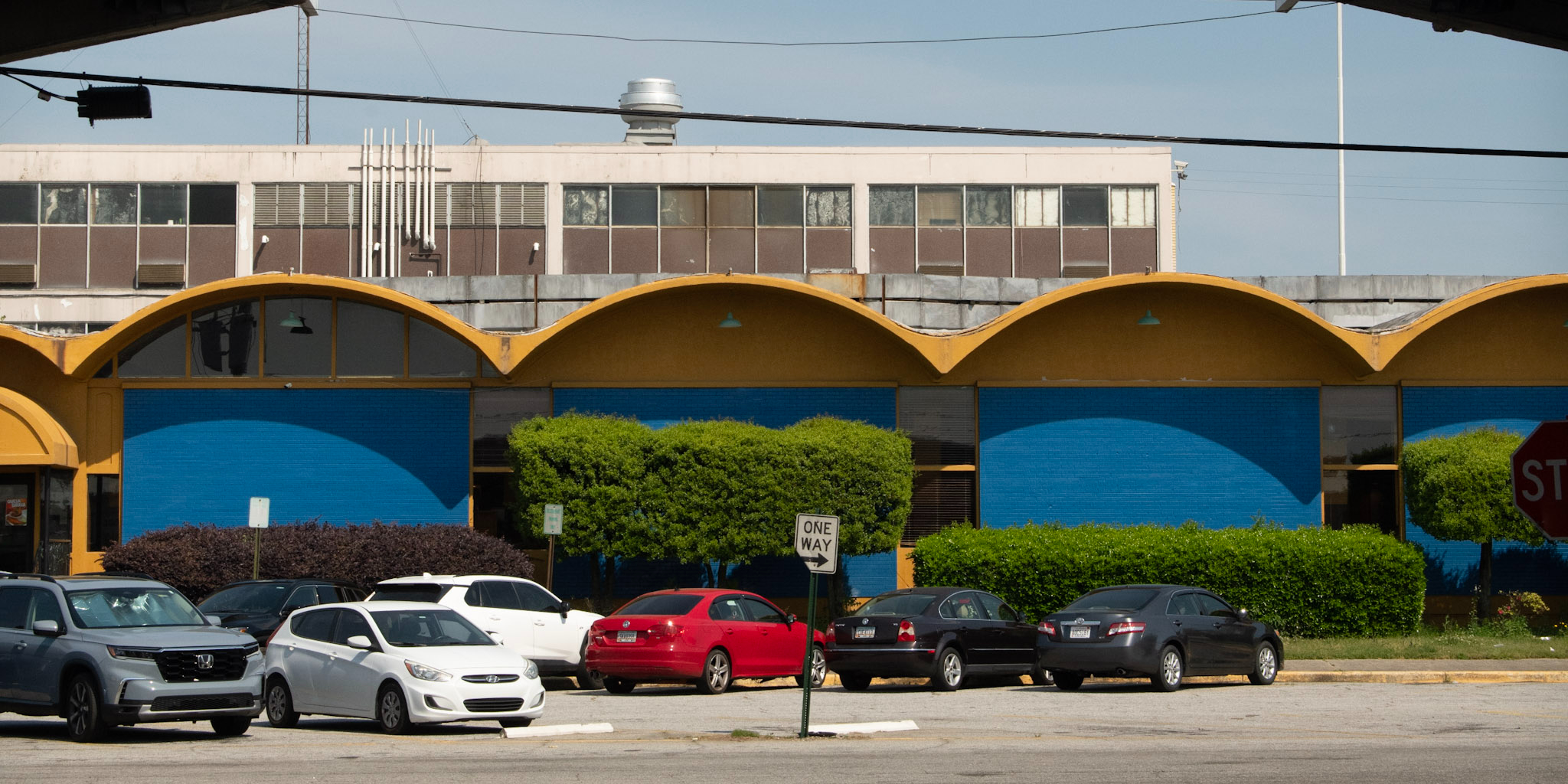
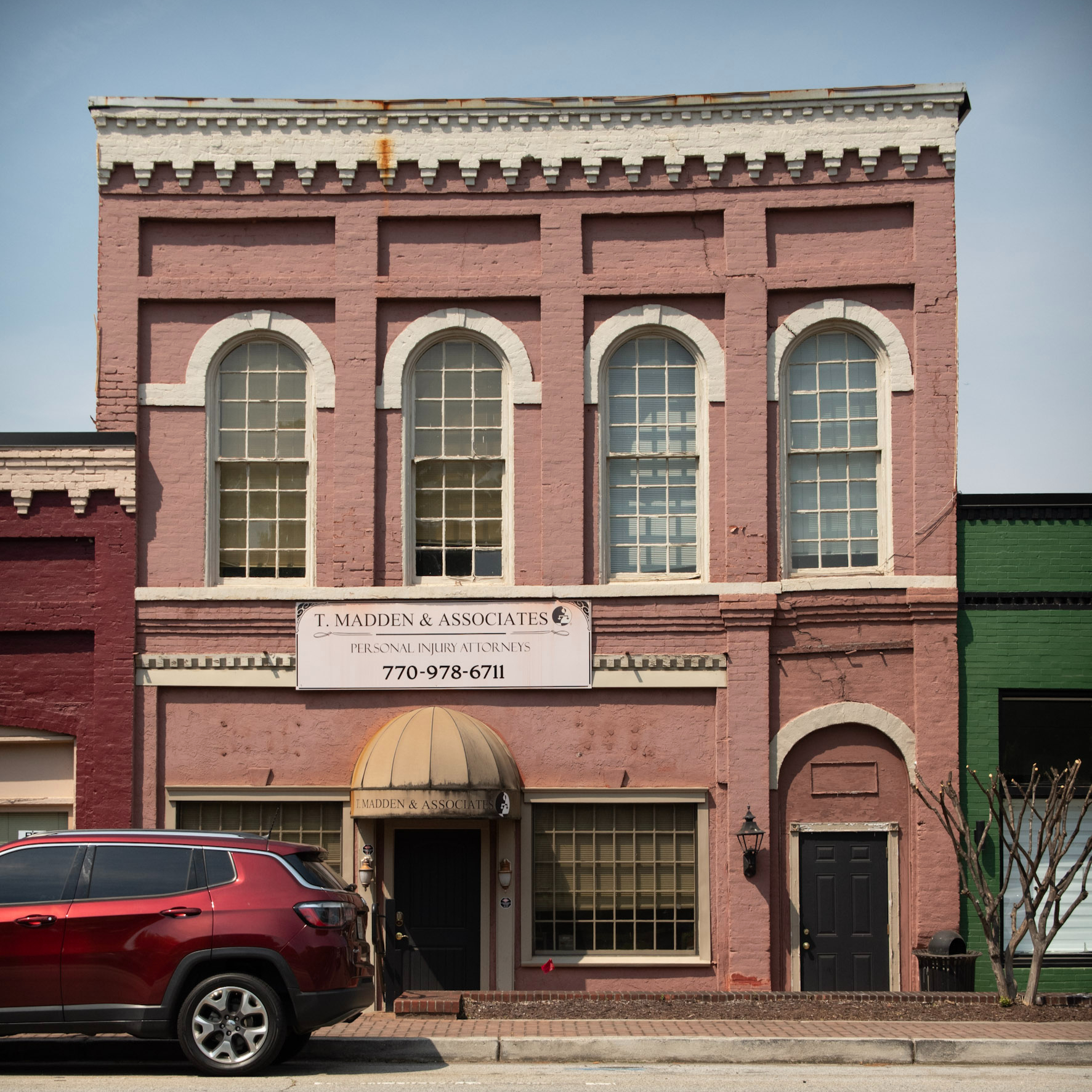
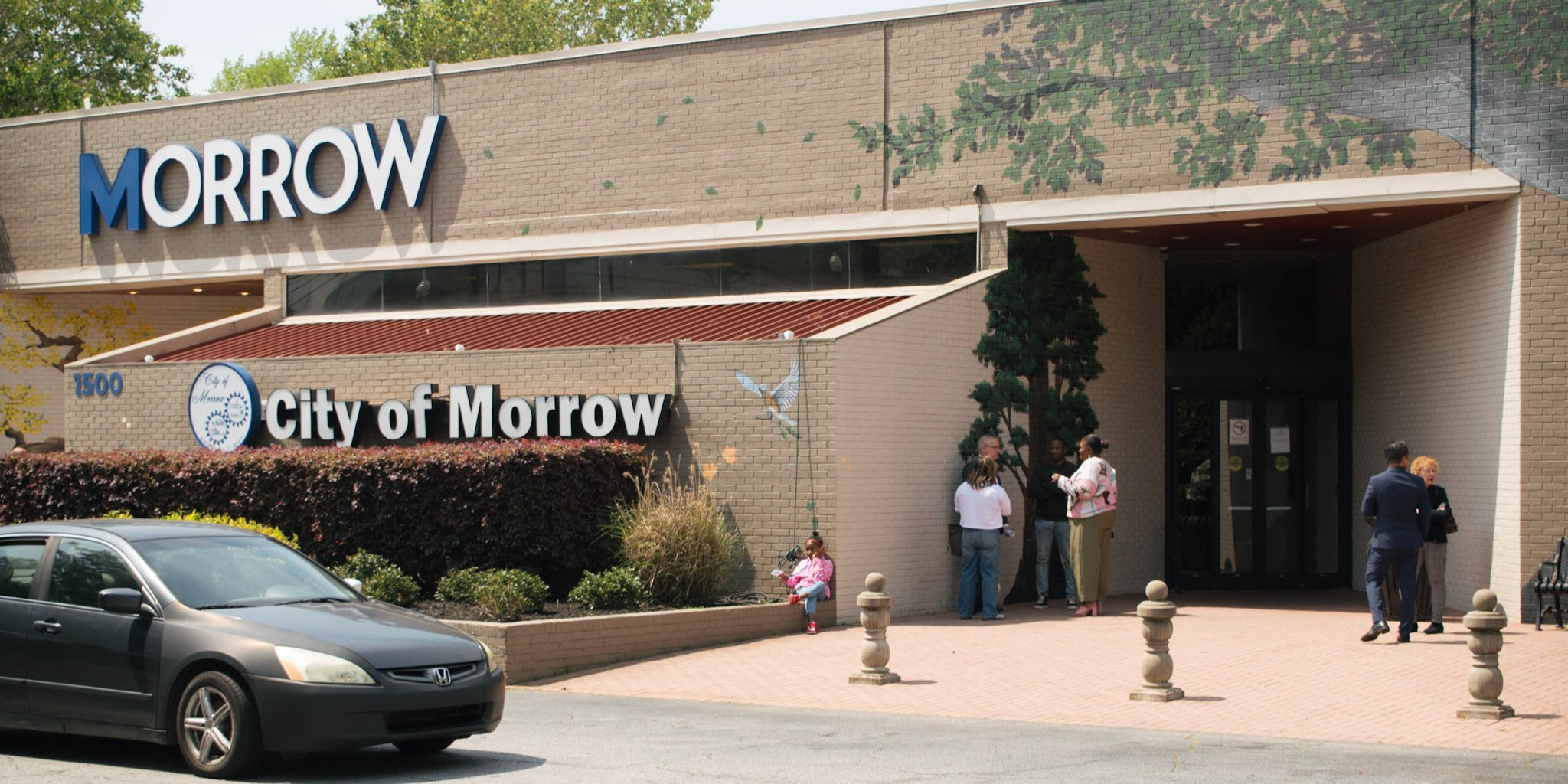
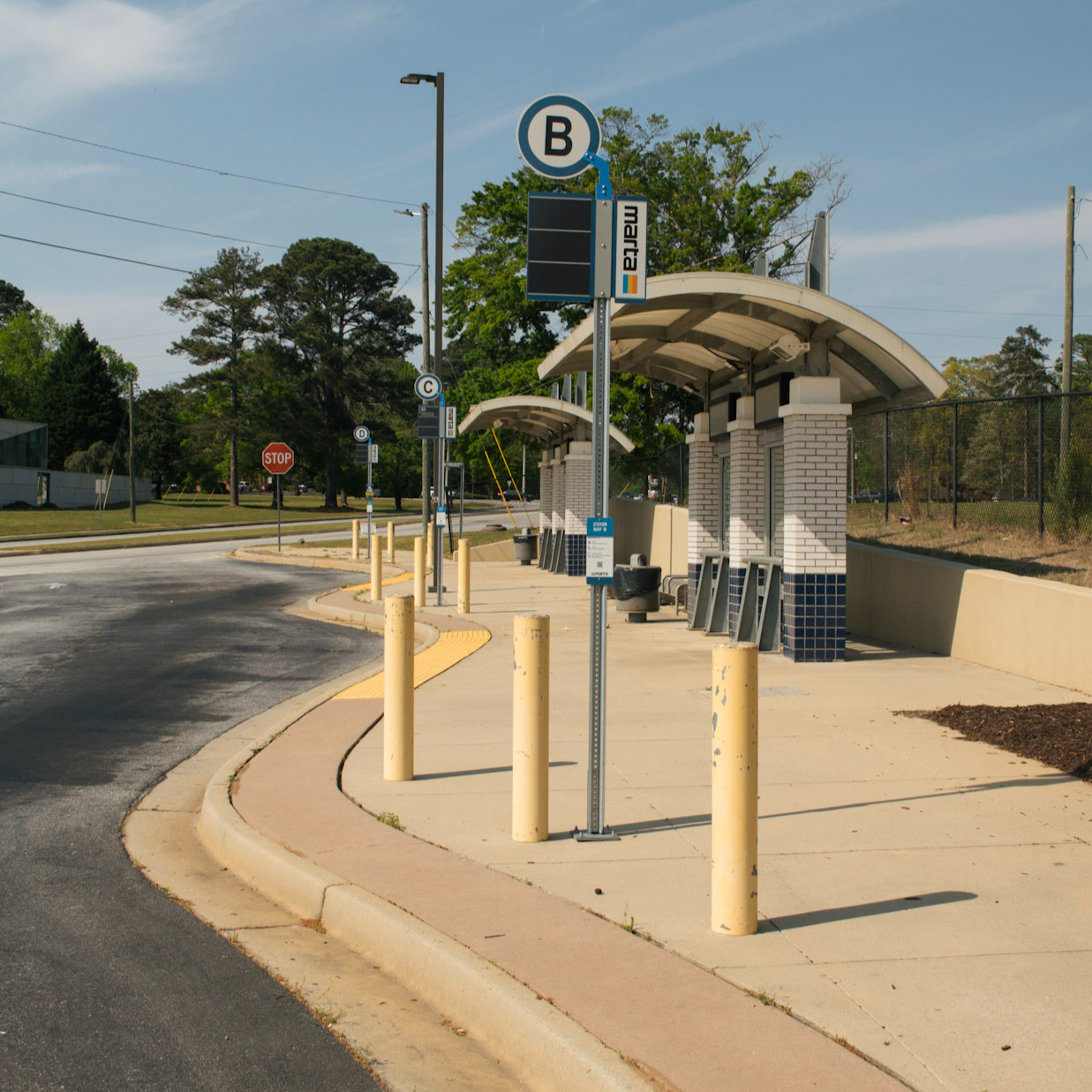
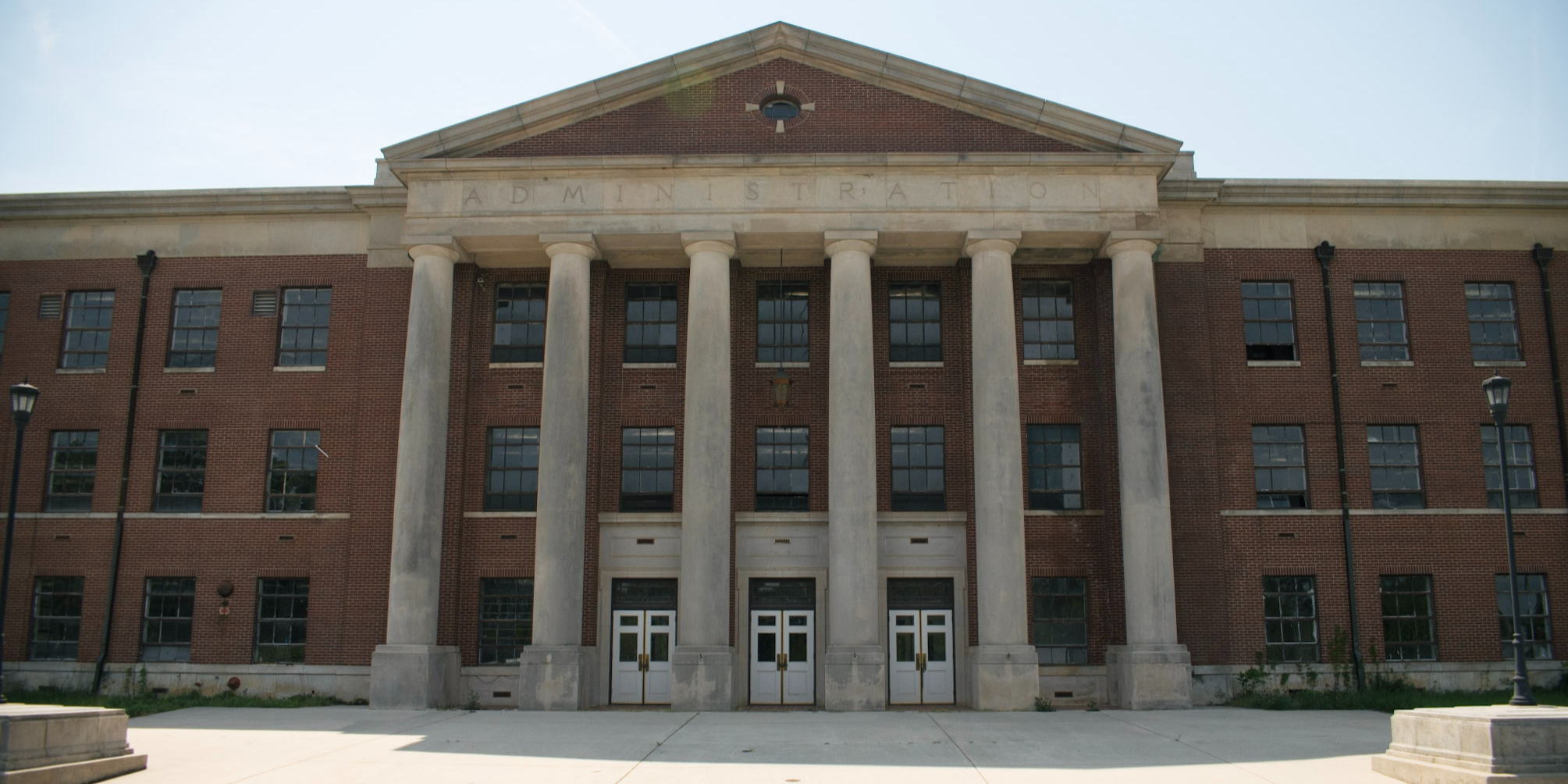
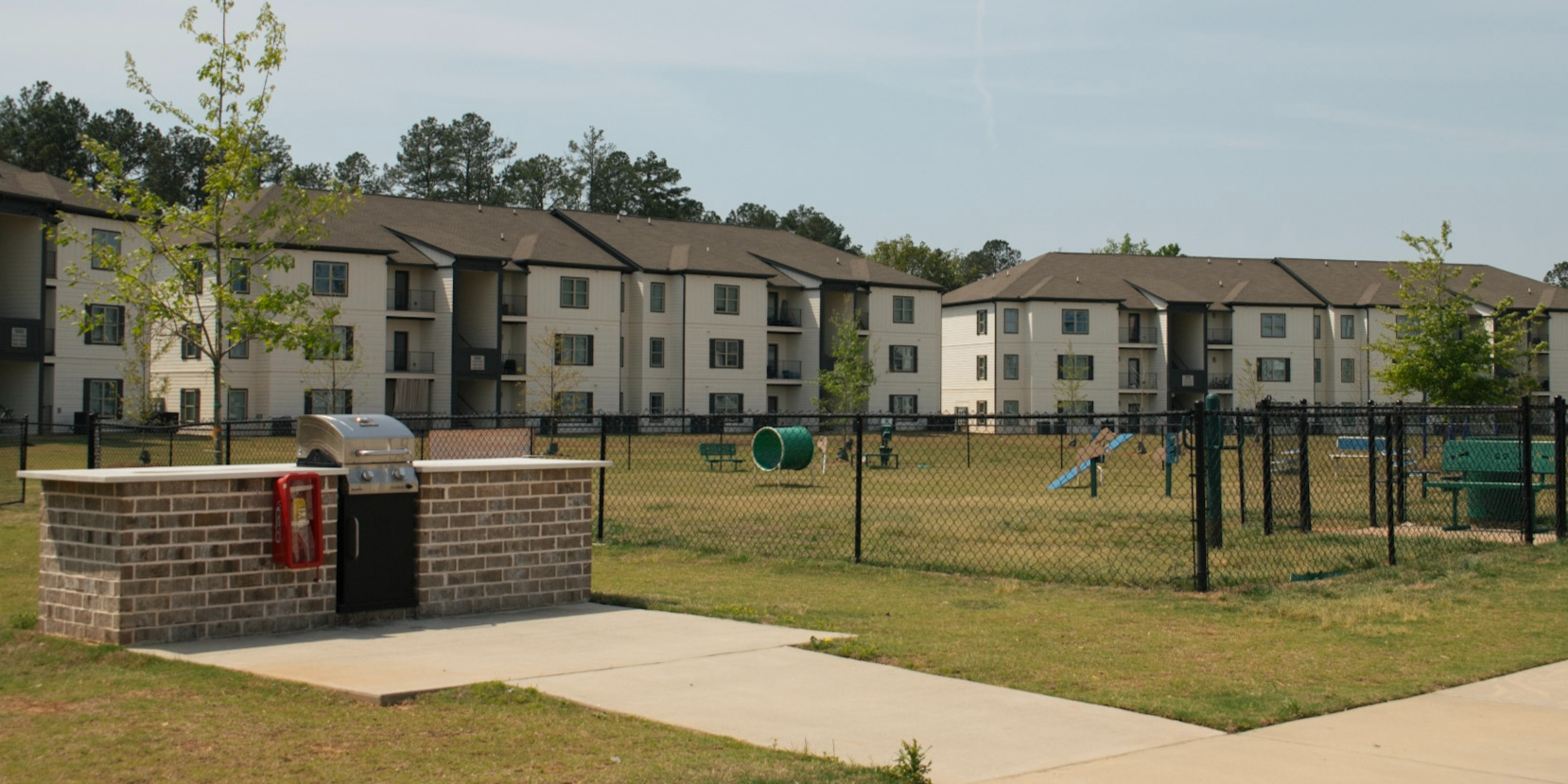
Photos of the people, streets, and housing types that we have in Clayton County today.









What We are Studying
01 / People
At the center of every conversation about housing are the people who make every individual housing unit a home. Our study of the people of Clayton County will explore existing conditions and historical trends related to household and population growth as well as household size and composition, all of which influence the types of housing the communities of Clayton County need today and will need in the future in order to absorb growth.
Additionally, our team will examine patterns of demographic transition, particularly as they relate to life stage, to help inform a housing strategy that ensures Clayton County is an intergenerational community even as the region and the nation become increasingly older.
02 / Economics
The primary way in which individuals and household access housing is through wages earned through employment. A key focus of this study will be examining the county’s workforce, commuting patterns, resident employment by industry, and the jobs available within Clayton County itself.
Our work will explore potential gaps and mismatches that may exist between local wages and local housing costs. Aligning the county’s economic development efforts so that high-quality job creation within Clayton County contributes to greater housing stability for the county’s residents and increased investment in the county’s communities.
03 / Transportation
Behind housing, transportation often represents one of the next biggest expense for any given household. Transportation can mean roads, public transit routes, pedestrian and bike infrastructure, and trails and sidewalks.
The connections between the places that people live, work, shop, and recreate can provide critical access points and formidable barriers to affordability, economic mobility, community belonging, and healthy living. Our work will explore current transportation conditions and identify opportunities to leverage existing infrastructure and services to create a more connected Clayton County that reduces access costs for its residents through transit-oriented community development efforts.
04 / Land Use
The way land is planned, regulated, and developed shapes the foundation upon which housing opportunities are created or constrained. Our study of land use in Clayton County will examine existing development patterns, zoning regulations, and the availability of land for future growth and redevelopment. This includes evaluating how land is currently allocated across residential, commercial, and industrial uses, as well as identifying underutilized or strategically located sites that could support new housing.
By understanding how policy and physical development patterns interact, our work will highlight opportunities to align land use decisions with the county’s housing needs, encouraging more efficient, flexible, and context-sensitive development.
05 / Housing
At the core of this study is a comprehensive analysis of Clayton County’s housing market, focused on both current conditions and future needs. Our work will evaluate the existing supply of housing across a range of product types, price points, and tenures, alongside an assessment of demand driven by population and employment trends. Particular attention will be given to identifying gaps between what is available and what is attainable for the county’s workforce.
By synthesizing these findings, the study will establish a clear understanding of how the housing market is functioning today and outline strategies to support a more balanced, attainable, and resilient housing ecosystem moving forward.